
Winter preparation
Chimney leaks and small masonry openings to check before a Houston freeze
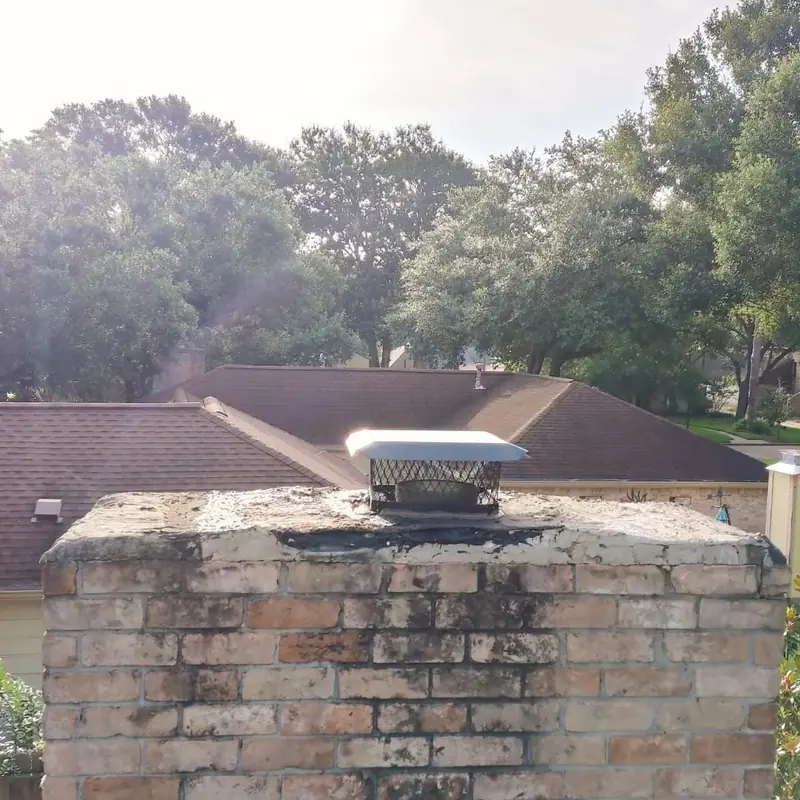
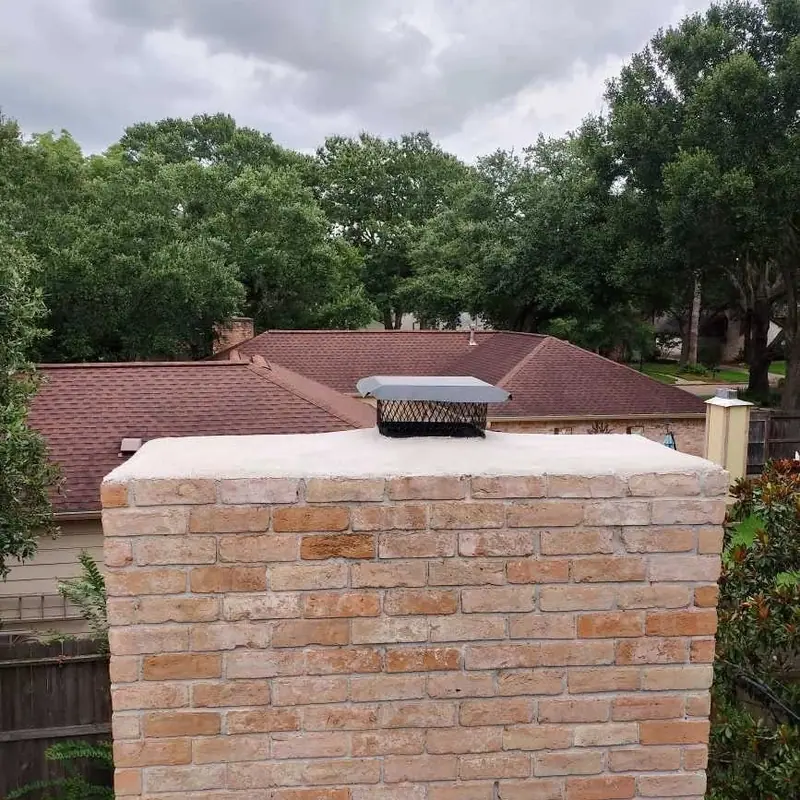
Small openings can become water entry points
Preparing your home for winter starts with the places rain can get in. Holes, missing mortar, cracks in brick or joints, and gaps around loose bricks can admit moisture. Even hairline cracks can increase water entry, although the size of a crack alone does not tell you whether a repair is needed. Torn or separated caulking around windows and failed sealant in expansion joints can leave additional paths into the wall.
What changes when retained water freezes
Brick and mortar contain small pores. When enough water remains in those pores or in cracks and then freezes, its expansion can create pressure inside the material. That pressure can enlarge cracks, weaken joints and cause the outer face of a brick to flake off, called spalling. Repeated freezing and thawing can make the damage worse. The risk depends on how wet the masonry is, the material and the freezing conditions; every cold night does not cause damage.
Start with the chimney
The chimney deserves a closer look before winter. Check for visible crown deterioration, damaged brick and gaps in the masonry. A stain near a fireplace does not identify the leak source by itself: water can travel before it becomes visible indoors. The chimney and its connection to the roof need to be considered together. The HPM photos above show a weathered crown before work and a smoother crown surface afterward. They show a visible change in condition; they do not establish a new metal cap or prove long-term leak performance.
Repair damaged seals and preserve drainage
Expansion joints are designed to accommodate movement. Their seals need a suitable flexible material; filling the joint with rigid mortar defeats that purpose. Around windows, address failed perimeter seals while preserving the window's intended drainage. Brick veneer also has drainage details, including weep openings. Do not plug those openings in an effort to seal every gap. The goal is to reduce unwanted entry while allowing moisture to drain.
Make a useful record before an inspection
From a safe ground-level position, take one wide photo showing the area and a closer photo of the visible defect. Note whether a stain appears during rain, afterward, or without rain, and whether it is getting larger. Keep earlier photos for comparison. Ground-level pictures may miss problems at the top of a chimney or behind the masonry, so they help start a conversation rather than replace an inspection. Widening cracks, displaced masonry or bulging walls call for further assessment of the cause.
Plan the repair before the next cold spell
A repair plan should address the source of the moisture and the condition of the masonry, with time for the chosen materials to cure in suitable weather. A coating or surface patch is not a substitute for understanding an active leak. Houston Pro Masonry offers exterior chimney and masonry repair assessments in the Houston area. Text photos to 281-915-8605 to request a free estimate and discuss the next step. This is an exterior masonry assessment; fireplace and flue safety require the appropriate specialist.